
Hey there, other e-commerce masochists. Imagine this: You’re an Indian seller who works hard from an apartment in Mumbai or a garage in Delhi. You want to flood the U.S. market with your handcrafted chai cups or whatever TikTok-trendy item you’re selling this week. You have the product, the buzz, and no chill because Amazon’s fees just took your lunch money. Now comes the real gut-punch: shipping and order fulfillment. Do you ship things yourself like a boss (or a broke backpacker), or do you give them to the platform overlords who promise the world but only give you headaches? Spoiler: Neither of them is a fairy tale. We’re going into this logistics mess with all the snark of a barista who just spilled your Starbucks Venti on a laptop. Get ready, because by the end, you’ll probably laugh or cry, or both. Let’s make fun of these choices like we do with expensive avocado toast.
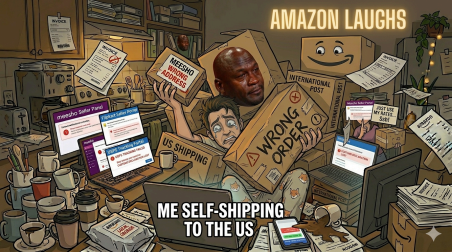
Self-Ship: Because Who Needs Sleep Anyway?
Ah, mailing yourself. The independent rockstar choice for sellers that don’t want to follow the rules of Big Platform. You put your things in a box, mark it, and pray it doesn’t end up in a cornfield in Kansas. Sounds like it gives you power, right? Karen, that’s wrong. It’s like choosing to have your groceries delivered by Uber Eats over state lines—you’re free until the first delay happens.
The first bold truth is You are in charge of a ship that is going down. Shipping and order fulfillment are all your responsibility with self-ship. Find your own carriers, like FedEx or DHL, and negotiate costs that make you cry. Then deal with customs like it’s your job. People in
the U.S. want their things right away—TikTok-famous unpacking videos don’t wait for your “mañana” feeling from India. A scary story from Reddit? For 45 days, a UPS black hole swallowed up a seller’s handmade jewelry. A buyer gave you a 1-star rating that hurt your ratings faster than a viral fail video.
It’s time for a rhetorical question: Why would you want to help with this mess? Because platforms charge you a lot of money for their “convenience.” Self-ship allows you keep those profits. Hello, the fantasy of quitting your soul-sucking 9–5 job and working from home! But here’s a tip: Don’t bother if you don’t drink coffee all the time.
Good things about pros: You have full control over your packing (no platform telling you what to do like a micromanaging boss), it’s cheaper for small orders, and you can establish your brand with personalized remarks like “Namaste, enjoy your overpriced spices.” Things that will keep you up at night: Delays in shipping and order fulfillment transform happy customers into return zombies. Returns? You’re paying for the trip back to India, which costs $50 each time.
Platform Logistics: Pay Up or Face a Lot of Fees
Go to the dark side: Platforms like eBay’s controlled shipping or Amazon FBA. They say beautiful things like, “We’ll take care of shipping and order fulfillment; you just send us the inventory!” Then they hit you with fees that would make a Wall Street banker blush. It’s like going out with an attractive influencer who steals your food and then disappears. Check your reality: You don’t own their throne; you rent it. You send your stuff to their U.S. warehouses (you pay for the air freight, fool), and they take care of everything else. What is a prime badge? Yours. Delivery in two days? Magic. But hey, storage fees add up like your ex’s passive-aggressive texts. Did you forget to sell your winter scarves in July? Boom, $0.15 a month for every cubic foot. One vendor I “know” (okay, harassed on Twitter) lost $2,000 because COVID killed demand for “long-term storage.”
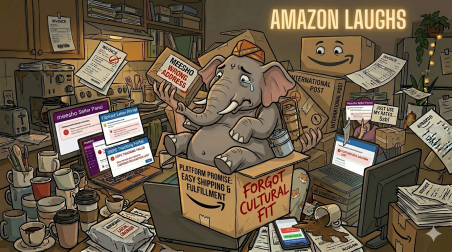
Gold for U.S. audiences: Think about how much faster your package would get to you than your DoorDash tacos during a Netflix marathon. Platforms nail Shipping & Order Fulfillment reliability: 99% of the time, baby. But what about sellers in India? Import taxes, GST
problems, and the time FedEx “lost” 500 units while they were on their way. Platforms adore
people who sell a lot of things. If you dropship phone covers from Alibaba, they’ll take care of you. Artisan with a low volume? They’ll treat you like that friend who always breaks plans. For the ADHD scrollers, here are several lists:
Wins: Easy shipping and order fulfillment, great customer service (they say sorry better than your mom), and the ability to grow like your Instagram followers on a giveaway. Fees take away 30–50% of profits; FBA alone costs 15% for referrals and fulfillment. And don’t even get me started on things that aren’t allowed. Your “exotic” masala mix? Not allowed.
In the world of logistics, platforms are like Thanos, snatching away your profits with one limitless gauntlet fee.
Head-to-Head Deathmatch: Important (or Not) Metrics
That’s enough small talk. Let’s have these animals fight each other like in a WWE match. Spoiler: There is no obvious winner, just different levels of pain. We’re talking about expenses, speed, and your sanity when you take over the U.S.
Cost carnage: Self-ship is cheap at first, with India Post and partners charging $10 to $20 for each small box. What are platforms? Fulfillment costs $5–15, but you have to pay for shipping ($2,000 for a pallet) and other fees. You need at least 50 orders a month to break even. Rhetorical AF: Is it worth it to get your side hustle to seem better? Speed showdown: Platforms win with delivery in 1–2 days in the U.S. Ship yourself? 7 to 14 days is the typical time frame, but if you want it faster, you’ll have to pay $50. TikTok shoppers ghost slow ships faster than a bad date.
Self-shipping means you can work from wherever, but you have to use tracking applications all the time. Platforms = set it and forget it till you get an email saying your account is “inauthentic.”
Factor
Ship Yourself
Logistics for the platform
Cost Up Front
Low (your sweat)
High (send-off from the warehouse)
Speed of Shipping and Order Fulfillment
Meh (10 days on average)
God-tier (2 days)
Scalability
Hell of a manual
Wealth on auto-pilot
Returns Nightmare
You consume it.
They take care of it, you pay.
Just so you know, hybrid hacks do exist. Use platforms for huge sellers and mail specialty items yourself. But who has time for all that?
The Hidden Traps: Customs, Returns, and Why You’re Still Screwed
Do you think you’re safe? Ha! Gremlins are hiding in Shipping and Order Fulfillment. If you ship it yourself, you’ll have to deal with Form 29B yourself. Platforms? They pre-clear, yet they demand “import fees deposits” that disappear into thin air.
Returns are the true circus. Thirty percent of millennials in the U.S. return things they bought online because they “oops, bought two.” Self-ship: Repackage and send back to India for a $30 loss. Platforms: They send back your money and ship it again, but you pay for it. One thread on Twitter that became viral? The seller lost $10,000 when the buyer changed their mind about cheap shirts.
Whisper in italics: Is this a good move? Offer rules that are good for the US right away, such free returns on platforms to get more reviews.
How about scalability? Self-ship stops at your garage door. You can make seven figures on platforms, but if you have a terrible month, you’re out.
Flip a Coin, Loser
There you have it, you punishment-loving person: self-shipping for control freaks who want to avoid expenses, and platforms for lazy geniuses who want to chase Prime fame. Indian vendors, choose based on how much you sell: Less than 100 orders a month? Ship that mess yourself. Scaling? Get on the platform and pray. Order and Ship Fulfillment isn’t glamorous, but if you do it right, you’ll be the U.S. e-commerce kingpin sipping virtual Starbucks from your flip-flops.
Congratulations on making it through this rant. Now go ahead and make horrible choices, or don’t. I don’t care. Your profits (or tears) are waiting for you. Leave a comment: What poison are you drinking?

Leave a Reply