
Let’s be honest — nothing hurts quite like a Meesho return.
You spend hours listing, photographing, and packaging that gorgeous kurti, and then bam! — you wake up to the notification every seller dreads: “Return initiated.”
It’s the e-commerce version of a breakup text.
No explanation. No warning. Just — “I’m sending it back.”
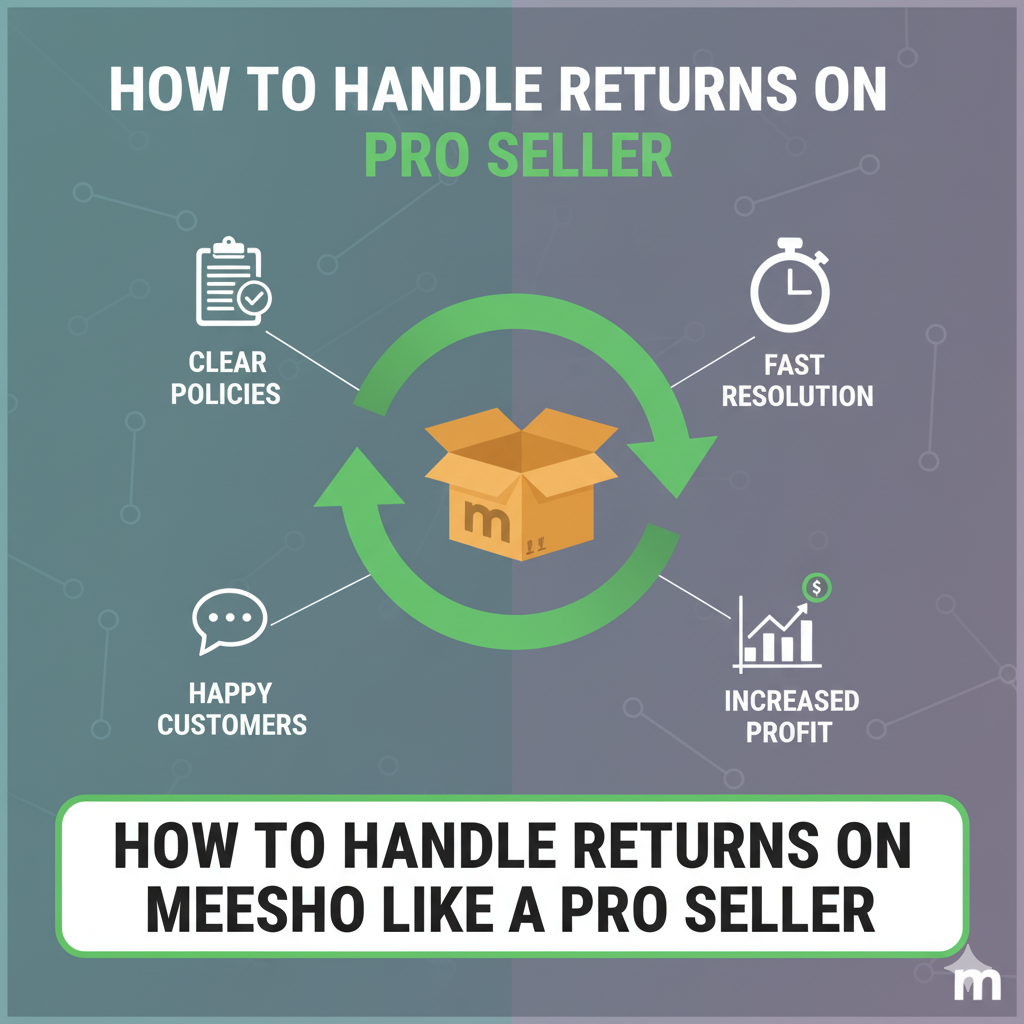
But here’s the thing: returns are part of the game. Every successful seller faces them. The real difference between struggling sellers and pro sellers? How they handle those returns — gracefully, strategically, and with their sanity intact.
So grab your chai and let’s break it down step-by-step.
1. Understand Why Returns Happen
Before you rage-text your supplier, take a breath. Returns happen for a few simple reasons:
- The product didn’t match expectations (blame lighting or bad descriptions).
- The size or color was off.
- Damaged or wrong product shipped.
- And everyone’s favorite reason: “Didn’t like it.”
You can’t stop them all — but you can reduce them by being brutally honest in your listings and improving your packaging.
2. Check Your Photos (They Might Be Lying)
Sometimes, customers return your product not because it’s bad — but because your photo oversold it.
If your photo shows emerald green and your product is more “pond water teal,” that’s a problem.
Pro tip:
✅ Use natural light.
✅ Avoid heavy filters.
✅ Upload close-ups and multiple angles.
Remember, clarity builds trust — and trust reduces returns.
3. Write Descriptions Like You’re Explaining to a Friend
“Beautiful dress for all occasions” tells buyers nothing.
Instead, write what the product really is. Mention fabric type, fit, wash instructions, and real color tone.
Example:
“Soft rayon fabric with a relaxed fit — perfect for daily wear. Slightly brighter than shown in image due to lighting.”
A simple sentence like that can save you dozens of unnecessary returns.
4. Package Like You’re Sending to Royalty
A product that arrives wrinkled, crushed, or half-open doesn’t scream “professional.”
Invest in good packaging:
- Transparent polybags or branded pouches.
- Thank-you cards or care instructions.
- Proper labeling with your shop name.
It shows care — and subconsciously tells customers, “This seller is serious.” People hesitate to return something that feels premium.
5. Accept That Some Returns Are Just… Random
Sometimes, you did everything right — and still, someone returns your product because their cousin didn’t like it.
Don’t take it personally.
You’re not a bad seller; you’re just in e-commerce. Even Amazon gets returns for “changed my mind.”
A pro seller doesn’t get emotional — they get analytical. Track your return patterns, learn from them, and move on.
6. Communicate Politely — Even When You’re Annoyed
When a buyer messages you about a return, this is not the time to unleash your inner Hulk.
Instead, respond politely:
“I’m sorry to hear the product didn’t meet your expectations. I’ll make sure to improve the quality for future orders.”
Kindness = credibility.
Your calm response can turn a one-time buyer into a repeat customer — yes, even after a return
7. Understand Meesho’s Return Policy Inside Out
If you want to survive long-term, know the rules.
Meesho has clear return guidelines — who pays for shipping, what counts as valid reasons, and how refunds are processed.
👉 Check Meesho’s official Seller Policy (always updated).
Once you know your rights and limits, you can protect your profit margins without fighting blind.
8. Handle Defective Returns Professionally
Sometimes, the returned item comes back… not quite as it left you. Torn, used, or clearly swapped. (Yes, it happens.)
Take photos immediately, contact Meesho Seller Support, and raise a claim with proof.
Professional sellers don’t complain — they document. That’s how you get your compensation approved.
9. Turn Returns into Opportunities
Use returns to improve your business.
Ask yourself:
- Do certain products get returned more often?
- Is there a sizing issue?
- Is it supplier-related?
Every return teaches you something about buyer expectations. Learn, tweak, and evolve.
10. Build Long-Term Trust (It Pays Back)
A smooth, polite, and professional return process builds trust faster than any ad campaign.
When customers see that you handle returns fairly, they feel safe buying from you again.
And trust me — that “repeat buyer” is worth ten first-timers.
Bonus Tip: Use Returns to Market Yourself
Slip a little thank-you card or promo code in your packages:
“We’re sorry it didn’t work out this time! Use code TRYAGAIN10 for 10% off your next order.”
You turn disappointment into marketing — chef’s kiss.

Leave a Reply